Preparing Your Pet for a Healthy Fall in Meridianville
Preparing Your Pet for a Healthy Fall in Meridianville
As the long, sunny days of summer give way to the milder, rainier weather of September in Meridianville, many pet owners begin to wonder how best to keep their dogs and cats healthy through the seasonal transition. Fall in Alabama often means lingering warmth, increased rainfall, and changing outdoor conditions that can bring new health challenges for pets. At Meridianville Pet Hospital, our team of veterinarians understands that each season brings unique risks and opportunities for your pet’s well-being. In this guide, we will share expert tips on preventive care, parasite protection, and grooming, all tailored to help your pet thrive during the fall months in Meridianville and surrounding communities. Whether you are concerned about lingering summer pests, muddy paws, or making sure your pet is ready for cooler nights, we are here to support you with comprehensive veterinary services at our convenient Meridianville location.
Recognizing Fall Health Concerns for Your Pet
The start of fall is a time when many pet owners notice changes in their pets’ behavior and routine. Some dogs and cats may become more energetic with the cooler weather, while others may want to spend more time curled up indoors. However, there are specific health concerns to watch for during the transition from summer to fall in Meridianville.
Common issues at this time of year include lingering flea and tick infestations, increased risk of heartworm due to mosquitoes still active in the warm, humid weather, and skin problems resulting from damp fur or muddy environments. Additionally, pets with seasonal allergies may experience itchy skin, watery eyes, or sneezing as new plants bloom or mold spores become more prevalent in the air. Signs that your pet may be facing a fall-related health issue include scratching, licking, or biting at their skin, visible fleas or ticks, coughing, lethargy, or changes in appetite. Pets can also be exposed to outdoor hazards such as mushrooms, fallen branches, and even certain poisonous plants; for more details on these risks, you can visit our pet poisonous plants information page.
Why Fall Brings Unique Health Challenges
The climate in Meridianville and surrounding communities plays a significant role in pet health during the fall. Warm, rainy conditions can extend the breeding season for many parasites, particularly fleas, ticks, and mosquitoes. These pests do not disappear as soon as summer ends; in fact, they can remain active well into the fall, especially when temperatures stay above freezing.
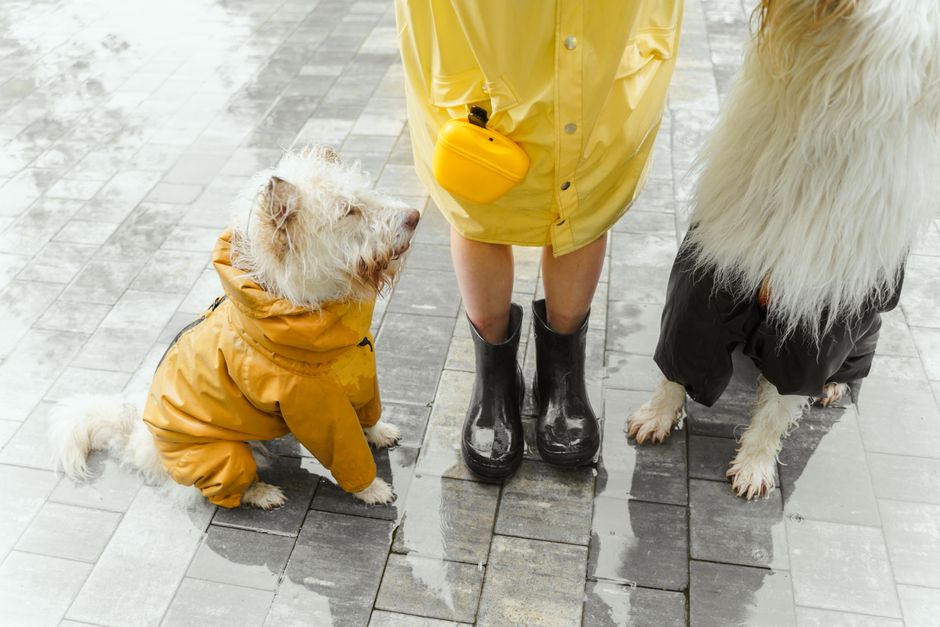
Moisture from rain and dew creates ideal environments for fungal growth and can contribute to skin infections in pets who get wet frequently or spend a lot of time outdoors. Additionally, as leaves and organic debris accumulate in yards and parks, pets are more likely to encounter allergens, fungi, or potentially toxic plants. Shorter daylight hours and cooler nights can also disrupt your pet’s exercise routine, potentially leading to weight gain or joint stiffness, especially in senior pets.
For pet owners, understanding these seasonal factors is the first step toward proactive care. By being aware of the risks that fall brings to your dog or cat, you can take meaningful steps to prevent problems before they start.
Veterinary Treatment and Fall Wellness Visits
A comprehensive veterinary wellness visit is one of the best ways to ensure your pet is healthy and ready for the new season. At Meridianville Pet Hospital, we recommend scheduling a fall checkup for your dog or cat, especially if you have not already had an annual exam this year.
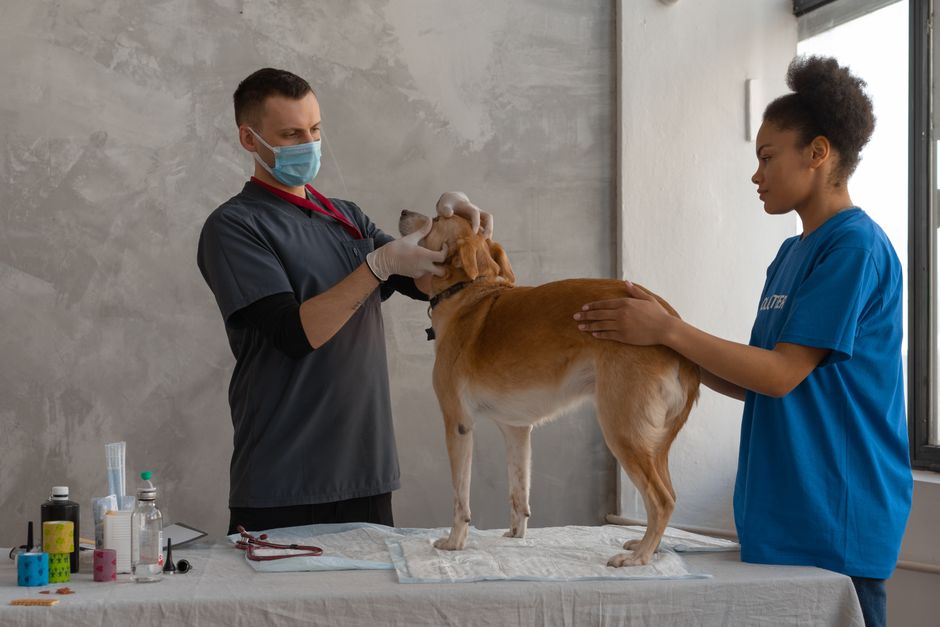
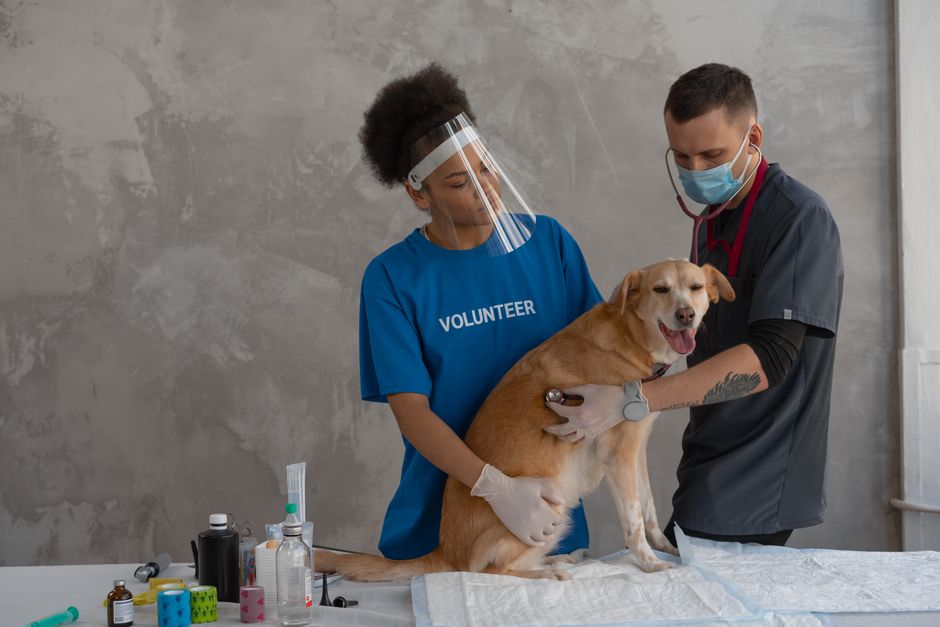
During a fall wellness visit, our veterinary team will perform a thorough physical examination, checking your pet’s skin, coat, ears, teeth, and overall body condition. We will review your pet’s vaccination status and discuss whether any booster shots or additional immunizations are recommended based on local disease risks. Parasite prevention is a key focus in the fall; we will assess your pet’s current protection against fleas, ticks, and heartworms, and recommend the most effective products tailored to your pet’s needs.
If your pet is showing signs of skin irritation, itching, or hair loss, our veterinarians may recommend diagnostic tests to rule out allergies, infections, or parasites. We may also discuss preventive health screenings for older pets or those with chronic health conditions. To learn more about the types of screenings we offer and how they can help detect issues early, visit our page on preventive health screenings for pets.
At-Home Fall Care: Parasite Prevention, Grooming, and Safety
Keeping your pet healthy in the fall starts with consistent routines at home. Parasite prevention should continue uninterrupted through the autumn months; this means administering monthly flea, tick, and heartworm preventives as directed by your veterinarian. Skipping doses in the fall can leave your pet vulnerable to infestations, since pests remain active until the first hard frost.
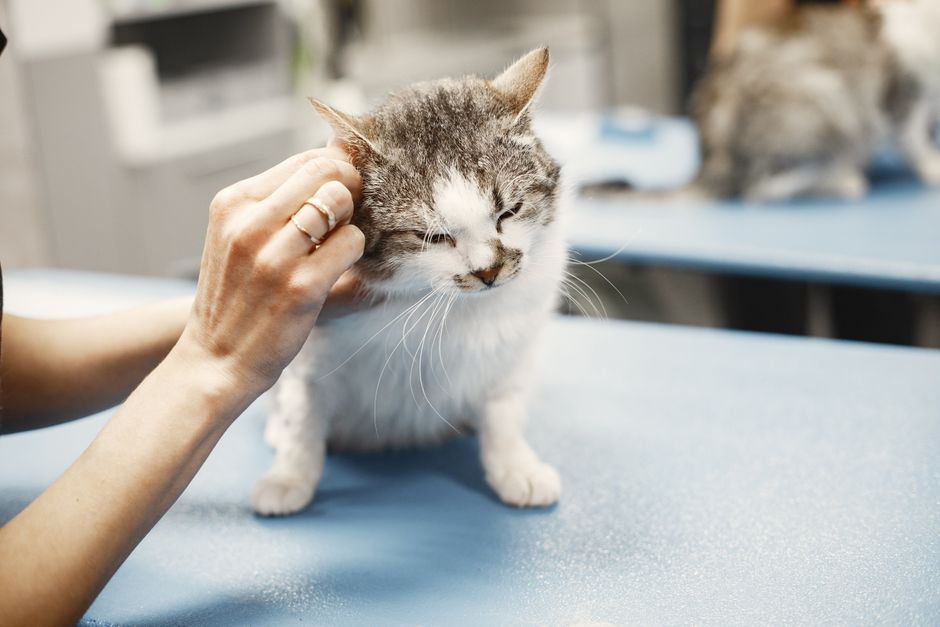
Regular grooming is also important during this time. Bathing your dog after muddy walks, drying their paws, and brushing their coat can help prevent skin infections and reduce the risk of matting. For cats, regular brushing helps remove loose fur and reduces hairballs, especially as they grow thicker coats in preparation for cooler weather. Check your pet’s ears for signs of moisture, redness, or odor, which could indicate an ear infection. Additionally, keep an eye out for debris or seeds that may get caught in your pet’s fur or between their toes.
Safety is another critical aspect of fall pet care. As daylight hours shorten, walks may take place during low-light conditions. Consider using reflective collars or leashes to increase visibility for both you and your pet. Be mindful of seasonal hazards such as fallen acorns, mushrooms, or antifreeze leaks in driveways, all of which can be toxic if ingested. Our pet health education resources provide more guidance on keeping your pet safe from common autumn dangers.
When to Schedule a Veterinary Visit This Fall
Knowing when to seek professional veterinary care is essential for keeping your pet healthy during the fall. If you notice symptoms such as persistent scratching, hair loss, wounds that do not heal, coughing, difficulty breathing, changes in appetite, vomiting, or diarrhea, it is important to schedule an appointment with our veterinary team promptly. Sudden behavioral changes, such as increased hiding in cats or reluctance to exercise in dogs, can be early signs of discomfort or illness and should not be ignored.
If your pet has been exposed to a known toxin, such as mushrooms or antifreeze, or is experiencing severe symptoms like difficulty breathing or seizures, contact your veterinarian immediately. Some situations require urgent attention, and our team is here to provide guidance and support. Do not wait for symptoms to worsen, as early intervention can make a significant difference in your pet’s recovery.
For less urgent concerns, such as mild skin irritation or questions about your pet’s fall routine, our veterinarians are happy to provide advice and schedule a wellness checkup. Our how-to videos and practical guidance can also help you manage minor issues at home, but always reach out if you are unsure whether your pet needs veterinary attention.
Setting Your Pet Up for a Healthy Autumn in Meridianville
As you and your pet enjoy the beautiful fall weather in Meridianville, a little extra attention to preventive care can go a long way. Consistent parasite prevention, regular grooming, and seasonal health checks are the foundations of a happy, healthy pet this autumn. Remember to keep your pet’s environment safe, stay vigilant for early warning signs of illness, and maintain open communication with your veterinary team.
If you are searching for a trusted veterinarian near me, Meridianville Pet Hospital is here to provide compassionate, comprehensive care for your dogs and cats. Our veterinary professionals are dedicated to supporting your pet’s health through every season. To schedule your pet’s fall wellness visit or to address any health concerns, call us at (256) 828-2286 or visit us at 132 General Harbin Blvd, Meridianville, AL 35759. We look forward to helping your pet enjoy a vibrant, healthy autumn in our community.
The information in this blog is intended for educational purposes only and should not replace professional veterinary care. For specific concerns about your pet’s health this fall, please consult our veterinary team.