Recognizing and Managing Pet Allergies in Meridianville
Recognizing and Managing Pet Allergies in Meridianville
If your dog or cat seems extra itchy, constantly licks their paws, or battles ear infections as summer gives way to the humid days of September in Meridianville, you are not alone. Pet allergies are a common concern for families living in Alabama's warm, moisture-rich climate, where environmental triggers flourish nearly year-round. Understanding how to recognize allergy symptoms, uncovering the causes behind your pet’s discomfort, and knowing when to seek help can make all the difference for your companion’s comfort and well-being. At Meridianville Pet Hospital, located at 132 General Harbin Blvd, Meridianville, AL 35759, our veterinary team is dedicated to helping pets and their families in Meridianville and surrounding communities navigate allergy season with confidence.
In this guide, we will explore how to spot the early warning signs of allergies in dogs and cats, discuss common triggers found in our region, outline professional treatment options available at our hospital, and share practical steps you can take at home to help your pet feel their best. Whether you have noticed subtle changes in your pet’s skin or are dealing with ongoing allergy flare-ups, our team is here to support you every step of the way.
How to Recognize Allergy Symptoms in Dogs and Cats
Allergies can present in many different ways, sometimes making them tricky for pet owners to identify early on. The most common signs that your pet may be struggling with allergies include persistent scratching, chewing, or licking at the skin—especially around the paws, belly, face, and ears. You may also notice red, inflamed skin, frequent ear infections, hair loss in certain areas, or the development of scabs and hotspots. In some cases, pets may experience watery eyes, sneezing, or even gastrointestinal upset such as vomiting or diarrhea; however, skin and ear issues remain the most frequent indicators in our area.
For many families in Meridianville, these issues tend to worsen during late summer and early fall when pollen counts are high and humidity creates ideal conditions for mold and dust mites. If your dog or cat seems to be battling the same symptoms year after year, seasonal allergies may be at play. Additionally, some pets show reactions to food ingredients or flea bites, which can make pinpointing the source of discomfort more challenging. Whenever you notice changes in your pet’s skin, coat, or behavior—especially if symptoms persist for more than a few days—it is a good idea to schedule an appointment with your veterinarian.
Understanding What Causes Pet Allergies in Meridianville
Just like people, pets can be allergic to a range of substances in their environment or diet. In Meridianville’s climate, the most common triggers include pollen from grasses, trees, and weeds; mold spores that thrive in damp conditions; dust mites found in bedding and carpets; and flea saliva. When a sensitive dog or cat encounters these allergens, their immune system overreacts, leading to inflammation and those frustrating symptoms described above.
Food allergies are another culprit, often caused by proteins such as beef, chicken, dairy, or grains. Unlike environmental allergies that tend to be seasonal, food allergies can cause year-round itching, digestive upset, and chronic ear infections. Flea allergy dermatitis is especially problematic in Alabama, where warm weather allows fleas to remain active for most of the year. Just a single flea bite can trigger severe itching and secondary skin infections in allergic pets.
It is important to remember that some pets may have more than one type of allergy, and symptoms can overlap. This complexity is why professional veterinary evaluation is so valuable. Our team at Meridianville Pet Hospital can help you identify the underlying triggers using diagnostic tools and allergy testing tailored to your pet’s needs. If you are interested in learning how we identify specific allergens, visit our page about pet allergy testing services in Meridianville.
Professional Treatment and Management Options
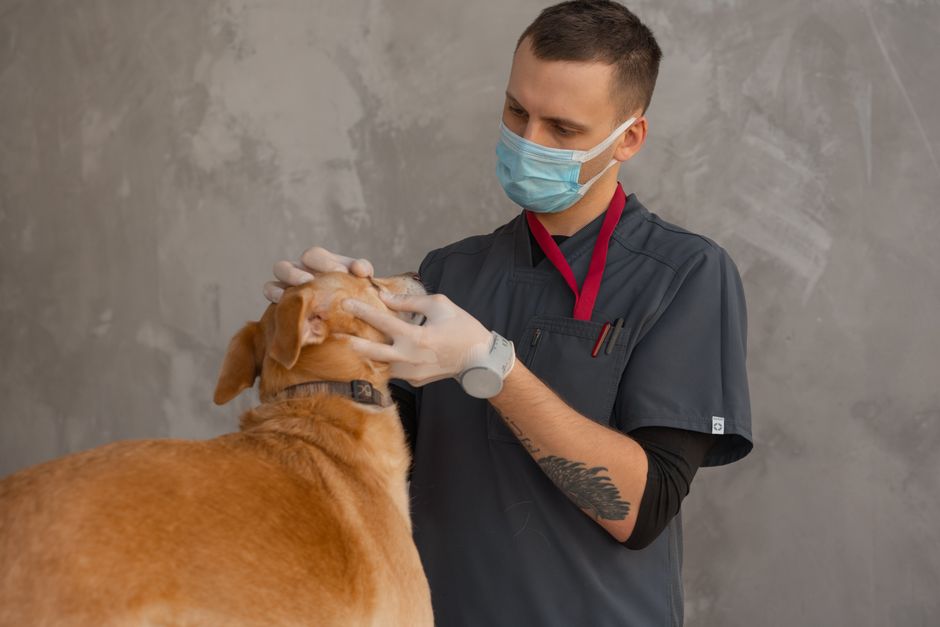
Fortunately, there are many ways to help your pet find relief from allergies. The best treatment plan depends on the type of allergy, the severity of your pet’s symptoms, and their overall health history. When you visit Meridianville Pet Hospital, our veterinarians will begin with a thorough physical examination and may recommend additional testing such as skin cytology, bloodwork, or allergy testing to determine the root cause.
For environmental allergies, management often involves a combination of therapies. These may include medicated shampoos to soothe inflamed skin, prescription topical or oral medications to control itching, and regular cleaning of your pet’s bedding and living spaces to reduce allergen exposure. In some cases, immunotherapy (allergy shots or drops) can help desensitize your pet to specific triggers over time.
We also offer advanced treatment options such as veterinary dermatology services to address persistent or complex skin issues. For pets with stubborn skin lesions or chronic hotspots, our hospital provides Phovia light therapy and cryotherapy, which use innovative technology to speed up healing and reduce discomfort without relying solely on medications.
When food allergies are suspected, our team will guide you through an elimination diet trial to identify problematic ingredients. This process involves feeding a hypoallergenic diet for several weeks, then systematically reintroducing potential triggers while monitoring your pet’s response. If flea allergy dermatitis is to blame, we will recommend year-round flea prevention tailored to your dog or cat’s lifestyle and risk factors.
Throughout treatment, our goal is to help your pet feel their best while minimizing the need for long-term medications whenever possible. Regular follow-up appointments allow us to track progress and adjust your pet’s care plan as their needs change.
Home Care and Prevention Strategies
As a pet owner, there are several steps you can take at home to help manage allergies and prevent flare-ups. Bathing your dog or cat with a veterinarian-recommended hypoallergenic shampoo can remove allergens from the skin and coat while providing relief from itching. Wiping your pet’s paws and fur after outdoor walks helps reduce pollen exposure, which is especially important during high-allergen months in Meridianville.
Keeping your home clean and free of dust mites, washing bedding regularly in hot water, and using air purifiers can create a more comfortable environment for sensitive pets. For those dealing with food allergies, it is essential to avoid offering table scraps or treats containing potential allergens; our veterinary team can recommend safe treat options and diet plans.
Year-round flea prevention remains a cornerstone of allergy control in Alabama’s warm climate. Even indoor-only cats can encounter fleas brought in on shoes or other pets. By staying ahead of flea infestations, you can spare your pet the misery of flea allergy dermatitis and the secondary infections that often follow.
If your pet has received specialized therapy at our clinic, such as Phovia light therapy, be sure to follow all aftercare instructions closely to maximize healing and comfort. Consistency with at-home routines and preventive care will help maintain the progress achieved during your pet’s veterinary visits.
When to Seek Veterinary Care for Allergies
It can be tempting to try over-the-counter remedies or home solutions when your pet starts scratching or licking. However, persistent or severe allergy symptoms always warrant a veterinary evaluation. If your dog or cat is scratching so much that they break the skin, develop red or oozing sores, experience repeated ear infections, or seem generally uncomfortable, it is time to schedule an appointment with our veterinary team.
Allergies can quickly lead to secondary infections, which may require prescription medication to resolve. Additionally, symptoms that look like allergies could sometimes indicate other underlying health issues, such as hormonal imbalances, parasites, or autoimmune conditions. Only a thorough examination by a veterinarian can determine the true cause and set your pet on the right path to relief.
If you are worried about your pet’s skin, ears, or general comfort—especially if symptoms interfere with their quality of life—do not wait. Our team at Meridianville Pet Hospital is committed to prompt, compassionate care that addresses both the symptoms and underlying causes of allergies. For more information about advanced therapies, visit our page on Phovia light therapy and cryotherapy services for pet skin conditions.
Supporting Your Pet Through Allergy Season in Meridianville
Allergies do not have to define your pet’s life. By recognizing the signs early, understanding what triggers symptoms here in Meridianville, and working closely with your veterinary team, you can help your dog or cat enjoy greater comfort all year long. At Meridianville Pet Hospital, we combine personalized diagnostics, the latest treatment options, and practical home care guidance to deliver comprehensive allergy management for every pet.
If you are searching for a trustworthy "vet near me" to help your pet manage allergies, look no further than our experienced veterinary professionals in Meridianville. To discuss your concerns or schedule an allergy evaluation, call us at (256) 828-8665 or visit us at 132 General Harbin Blvd, Meridianville, AL 35759. Our veterinarians are honored to serve Meridianville and the surrounding communities, providing the compassionate care your pet deserves—no matter the season.
This article is intended for informational purposes only and does not replace professional veterinary advice. If your pet is experiencing severe symptoms or you have concerns about their health, always consult with your veterinarian promptly.